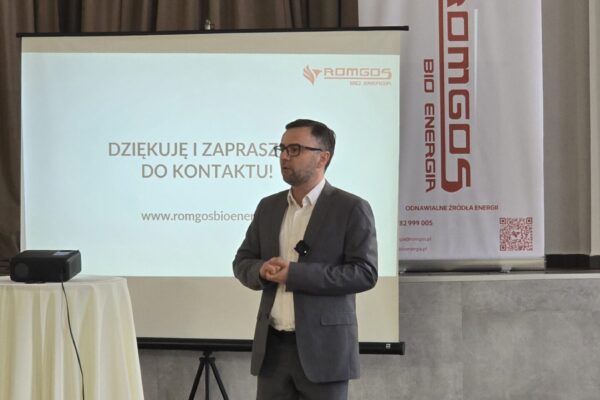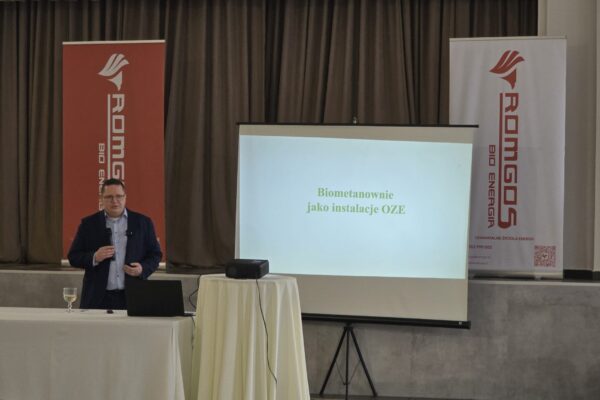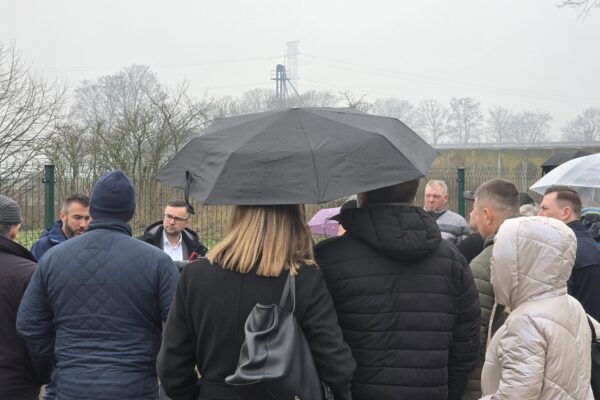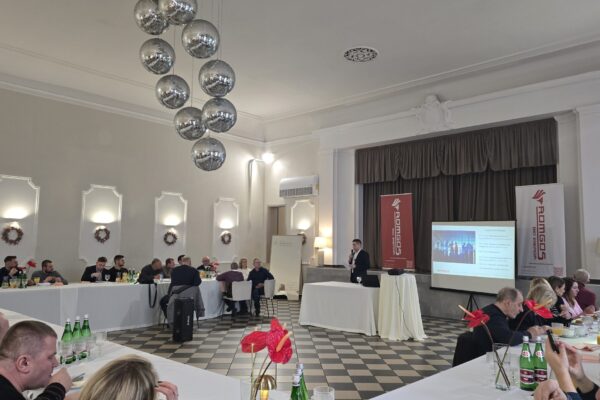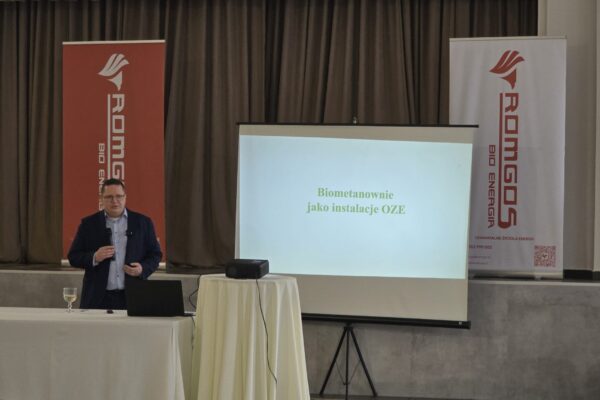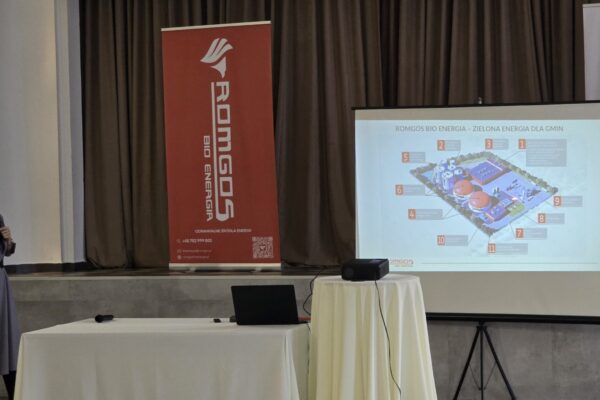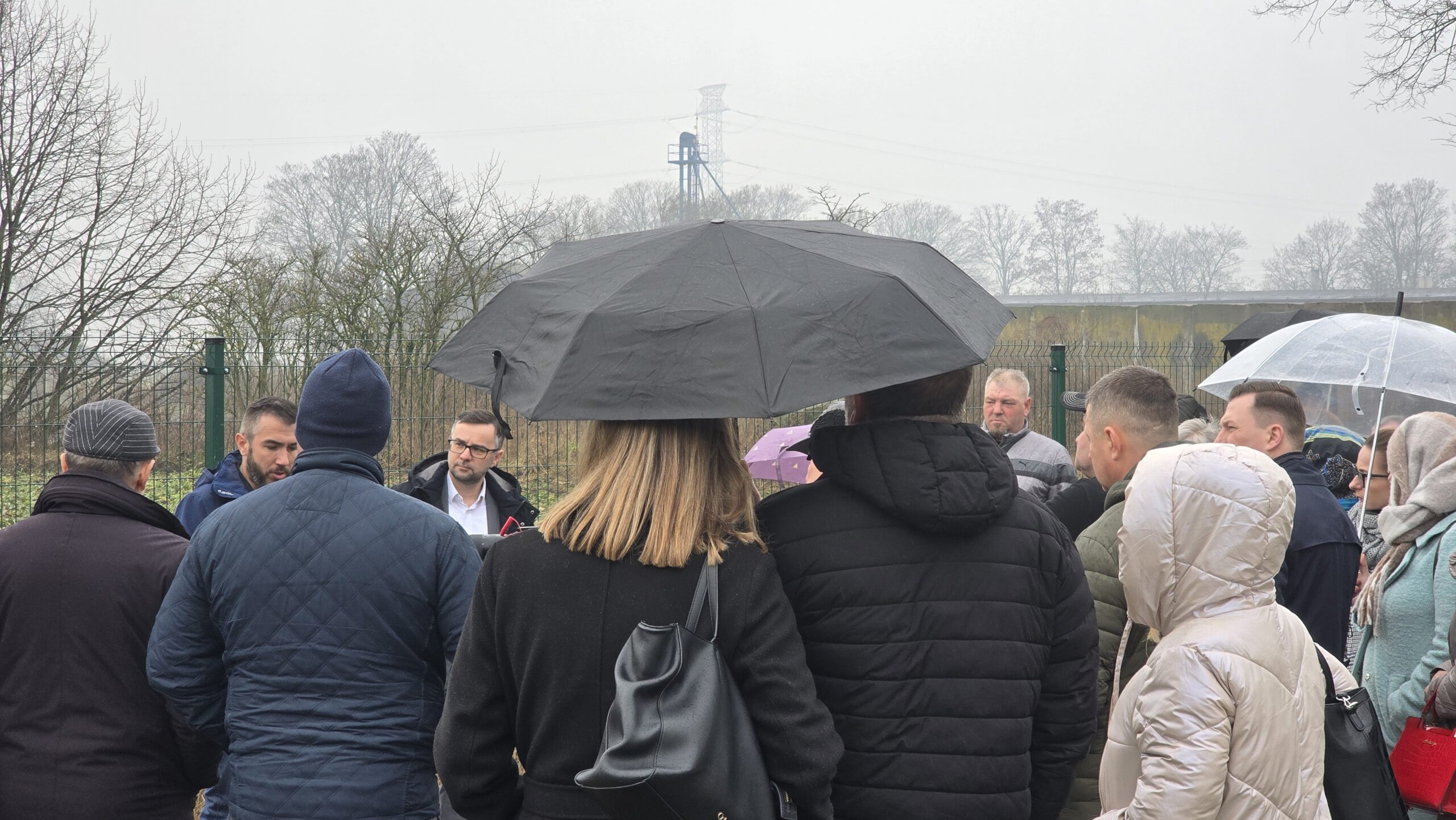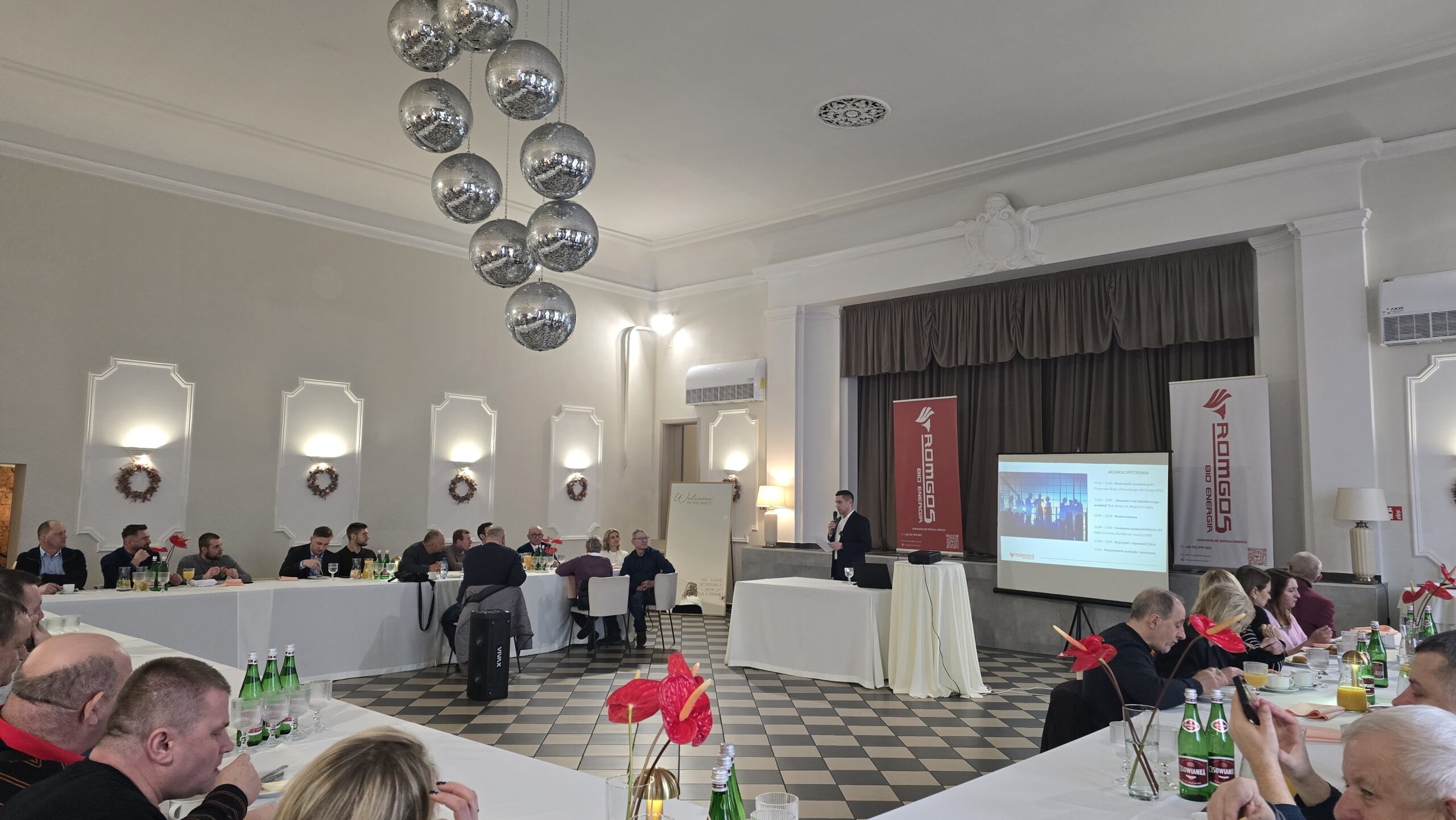
On February 26, we organized another study trip to the first biomethane plant in Poland, located in Brody. The visit was an excellent opportunity to familiarize ourselves with modern solutions in the field of biomethane. The event was attended by representatives of local governments from several municipalities where our investments are planned. Participants had the chance to see firsthand how a modern biomethane plant operates and what benefits its implementation brings in the context of energy transformation in Poland.
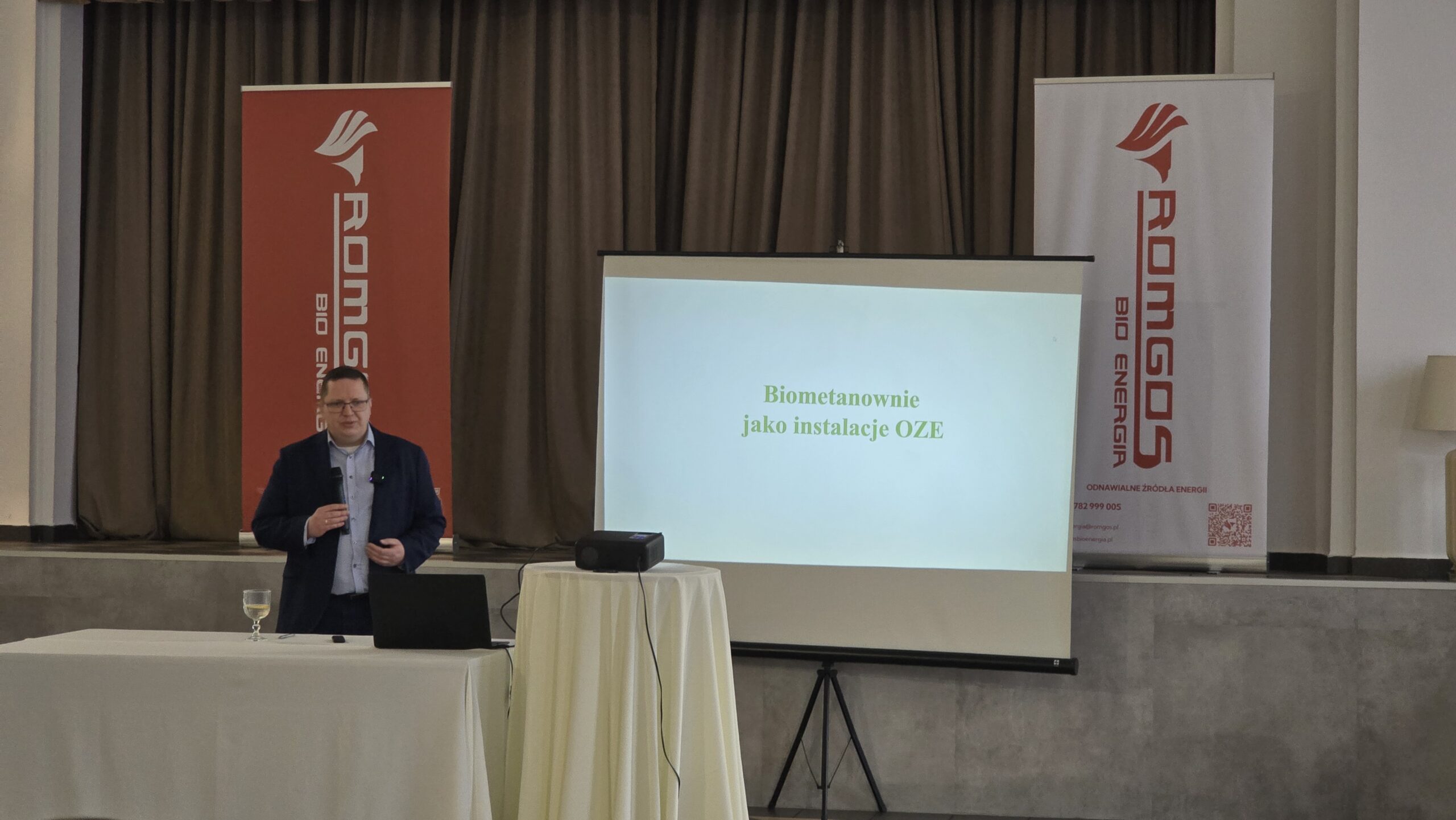
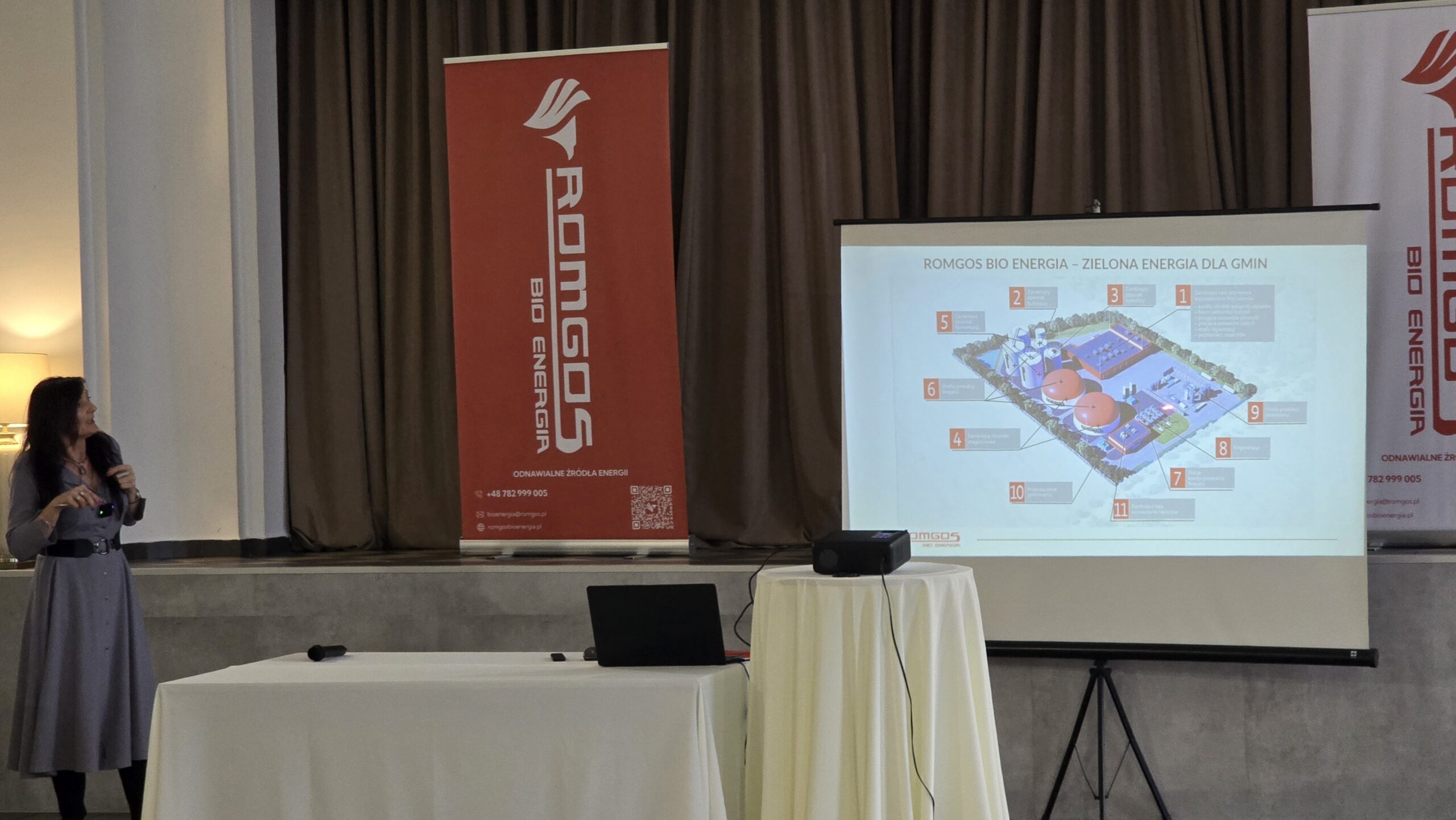
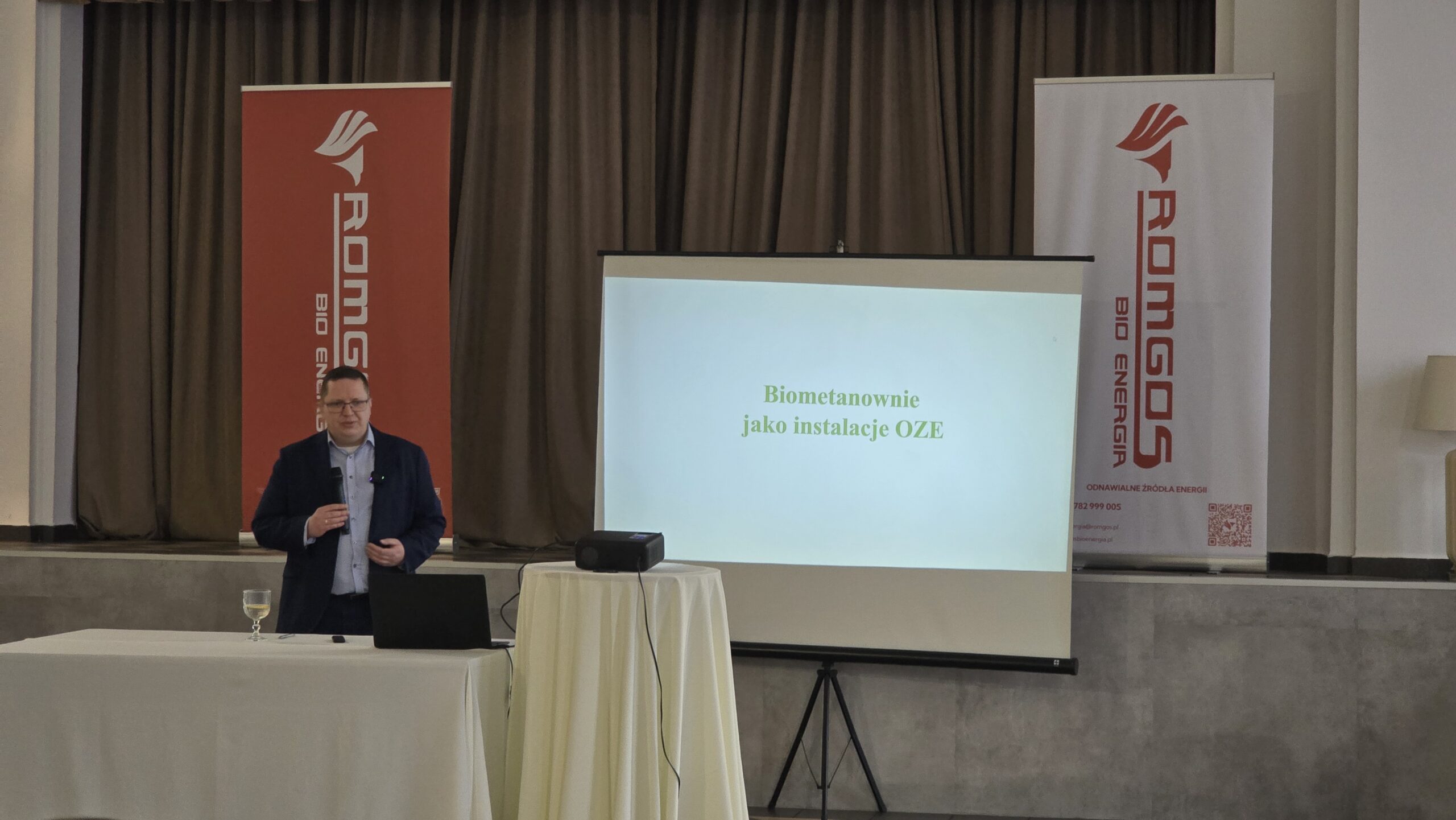
During the visit, the main contractor of the investment, Łukasz Dzadza from the Barczewo Energy Institute, delivered a detailed presentation on the key technological and operational aspects of the biomethane plant. Participants also had the opportunity to listen to industry experts, including Dr. Hab. Prof. Wojciech Czekała, who discussed the technical issues related to biomethane production and its role in the development of sustainable energy.
Such study trips not only offer a chance to expand knowledge but also provide an opportunity for open discussion and clarification of any doubts regarding biomethane investments. We would like to thank all the participants for their active engagement and meaningful conversations. We are convinced that initiatives like this contribute to a better understanding of the potential of biomethane plants and their crucial role in the future of Poland’s energy sector.
The biomethane plant in Brody is a response by the Barczewo Energy Institute to the challenges posed by the National Centre for Research and Development under the “Innovative Biogas Plant” project, funded by European Funds (Intelligent Development Program). The project included two phases, during which several contractors developed innovative technologies, which were then tested on a small-scale technical basis. The technology developed by the Barczewo Energy Institute received the highest evaluation, which allowed it to be demonstrated on a full scale. The technology proposed by the Barczewo Energy Institute is odorless, universally applicable in terms of feedstock, fault-free thanks to the use of dual technological nodes, energy and heat self-sufficient, and automated, which significantly facilitates its operation.